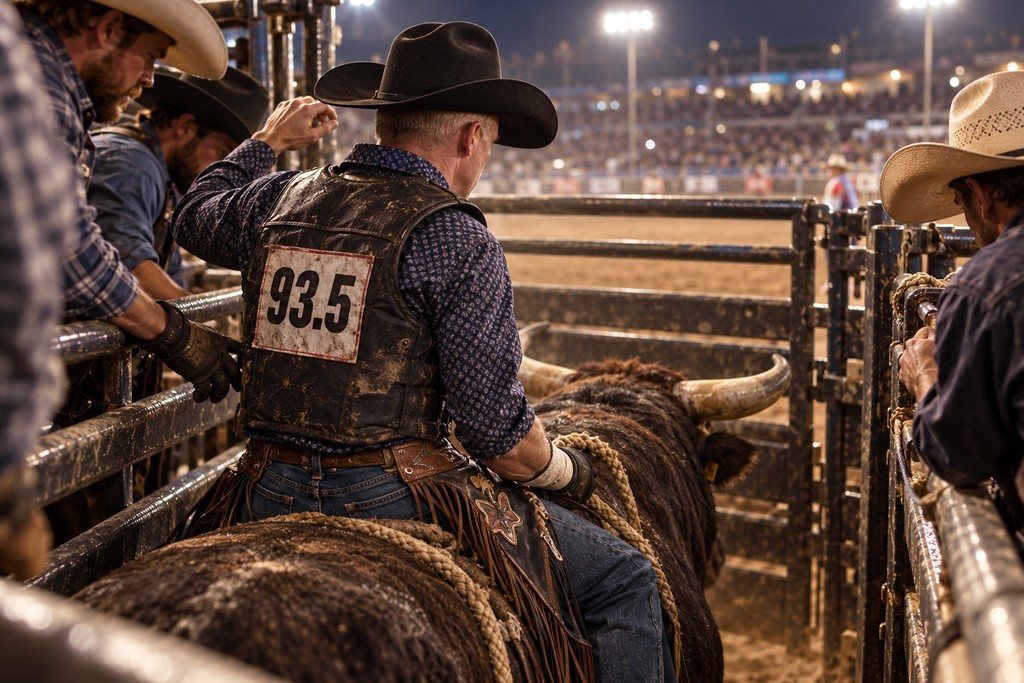
The other day I heard Tim McGraw singing Live Like You Were Dying, and I didn’t hear just another country song. I heard a number: 93.5.
Three weeks after my Decipher test, I went back to the urologist for the results. He handed me a piece of paper, pointed to the number, and told me I was in the 93.5th percentile. He kept talking after that, but I couldn’t tell you what he said. The room didn’t disappear. It just slowed down and got quiet while my brain grabbed onto that number and refused to let go.
Ninety-three point five. It sounded more like an FM station than a number that should scare the hell out of me.
I didn’t understand what the number meant. I still don’t pretend to understand the test today. But sitting in that office, I translated it into something simpler and scarier. Ninety-three point five percent. Almost one hundred. In my head, that meant I was almost certain to end up with Stage Four cancer, metastasis, or something close to it.
Nobody had actually told me that. The number didn’t necessarily mean what I thought it meant. Fear has never been particularly interested in technical definitions.
The urologist didn’t spend time walking me through the results. He was getting close to retirement, gave me a book about prostate cancer, told me the oncologist would come up with a treatment plan, and moved me along quickly. In hindsight, I’m grateful he sent me there because the oncologist turned out to be amazing. I just hadn’t met him yet.
At that moment, all I had was a book, a referral, a number I didn’t understand, and enough imagination to make all four dangerous.
Then he told me something that scared me in a different way. He said all three of my kids were at a higher risk and should be tested sometime, especially if their insurance would cover it. Suddenly, the fear wasn’t only about me. It was Leigh, Shelby, and Drake too.
There’s a strange difference between being afraid for yourself and being afraid for your kids. I could tell myself to stay calm. I could put on a brave face. I could tell people I was fine when I had no idea whether I was fine. But hearing that my kids might have their own reason to worry made the whole thing feel heavier.
I probably sent another voice message to the family group after I left. I told my best friend. For everyone else, I kept it to myself. Then I did what people have been doing since the internet gave frightened patients unlimited access to medical information.
I Googled. I WebMD’d. I searched every phrase I could think of, hoping one more page would explain everything and tell me I was going to be okay. Instead, one answer usually created three more questions. Medical websites should come with a warning label: Do not use while scared and unsupervised.
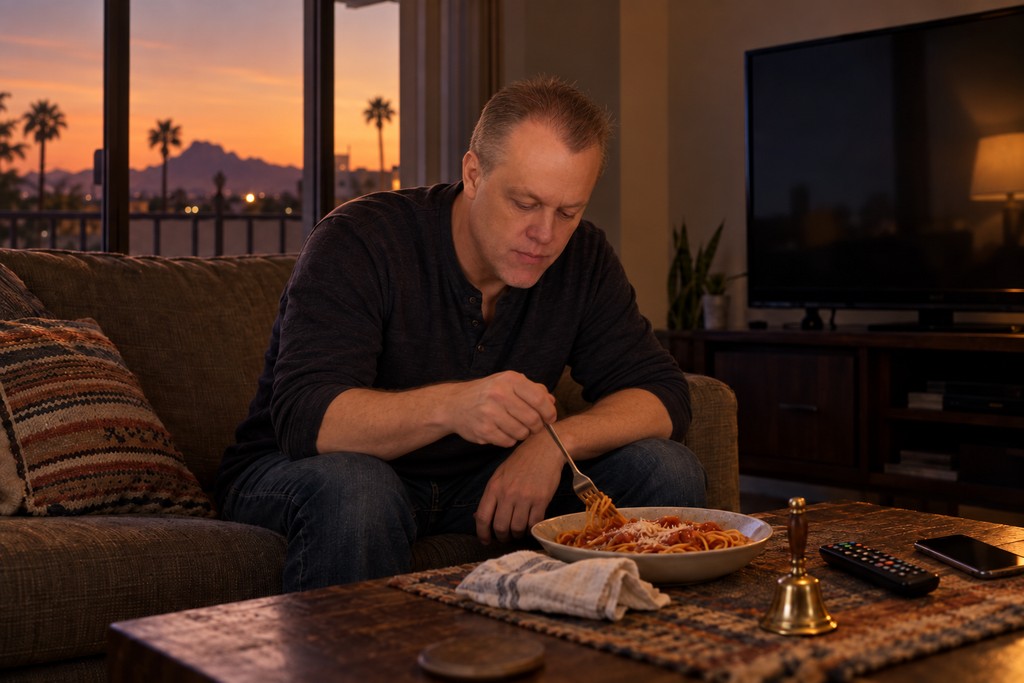
For the next couple of weeks, I lived in that space between bad news and a plan. I went to work. I talked to people. I tried to act normal. On the outside, life kept doing what life does. Inside, I was wondering whether the cancer was going to spread, whether I was going to live, whether I was going to die, and what I was supposed to do with any of that while I waited for someone who could explain it to me.
For most of my life, tomorrow had always seemed like part of the deal. You work, make plans, pay bills, worry about things that probably won’t matter a year later, and assume there’ll be another morning waiting when you’re finished.
For the first time, I realized tomorrow wasn’t something I could just assume was going to be there.
I still didn’t know what 93.5 really meant. I didn’t know what the oncologist was going to tell me, what treatment would look like, or how serious any of this would become. I only knew that I had walked into that office expecting a test result and walked out wondering how much time I had left.
That’s why Live Like You Were Dying sounds different to me now. It’s easy to hear a song about mortality when mortality belongs to somebody else. It’s different when a doctor slides a piece of paper across a desk and suddenly you’re wondering whether the song might be about you.
I didn’t know if I was dying. I didn’t even know yet what 93.5 really meant. But I knew I’d spent most of my life assuming there would always be more time.
I still wasn’t ready for “2.7 seconds on a bull named Fu Manchu.”
But for the first time, I understood why somebody might climb on.